


Original Medicare generally does not cover routine dental care. Cleanings, fillings, dentures, and implants fall outside Parts A and B almost entirely. The only exceptions are dental services tied directly to another Medicare-covered medical treatment. For everything else, most beneficiaries rely on Medicare Advantage dental benefits, Medicaid, or private dental insurance to fill the gap.
TL;DR:
- Most Medicare beneficiaries will need additional coverage because Original Medicare does not pay for routine dental services like cleanings, fillings, or dentures unless directly linked to covered medical treatments.
- Medicare Advantage plans often include dental benefits, but these typically have annual caps around $1,000 to $1,300 and may require coinsurance of approximately 50% for major procedures.
- Coverage for medically necessary dental work requires proper documentation linking the procedure to a covered medical treatment, and facility fees are usually paid separately from professional dental fees.
- Dual-eligible beneficiaries and those with Medicaid may access more comprehensive dental services, but benefits vary widely by state; standalone dental insurance and community clinics are alternatives.
- Confirm coverage, network status, and remaining benefits before scheduling major procedures by reviewing plan documents and contacting member services to avoid unexpected out-of-pocket costs.
Table of Contents
- What Does Medicare Cover for Dental With Medicare Beneficiaries?
- How Do Medicare Advantage Dental Benefits Work?
- What Other Dental Coverage Options Exist for Seniors?
- How Do You Confirm and Enroll in Dental Coverage?
- What Will Dental Care Actually Cost You Out of Pocket?
- How Do You Document Medically Necessary Dental Care?
- How Green Insurance Agency Helps You Sort Out Dental Benefits
- Get a Free Dental Benefits Review With Greenins
- Where to Verify Medicare Dental Rules
- Sources
- FAQ
What Does Medicare Cover for Dental With Medicare Beneficiaries?
Federal law excludes routine dental services from Medicare under Section 1862(a)(12) of the Social Security Act. That’s the legal basis CMS uses to deny most dental claims. But CMS has carved out exceptions for services that are, in its own language, “inextricably linked” to the success of another Medicare-covered procedure.
Medicare lists the situations where this applies:
- Dental exams and treatment required before an organ transplant
- Dental workups before certain cardiac valve replacements
- Oral evaluations tied to head and neck cancer treatment
- Dental exams connected to dialysis for beneficiaries with end-stage renal disease
- Dental care delivered during an inpatient hospital stay when hospitalization itself is medically necessary
Even in these cases, Medicare typically pays the facility fee, not the dentist’s or oral surgeon’s professional fee. That distinction trips up a lot of beneficiaries who assume “covered” means the whole bill disappears. It doesn’t. Coverage also depends on documentation: your medical chart needs a clear paper trail connecting the dental work to the underlying medical treatment, or the claim gets denied on the spot.
How Do Medicare Advantage Dental Benefits Work?
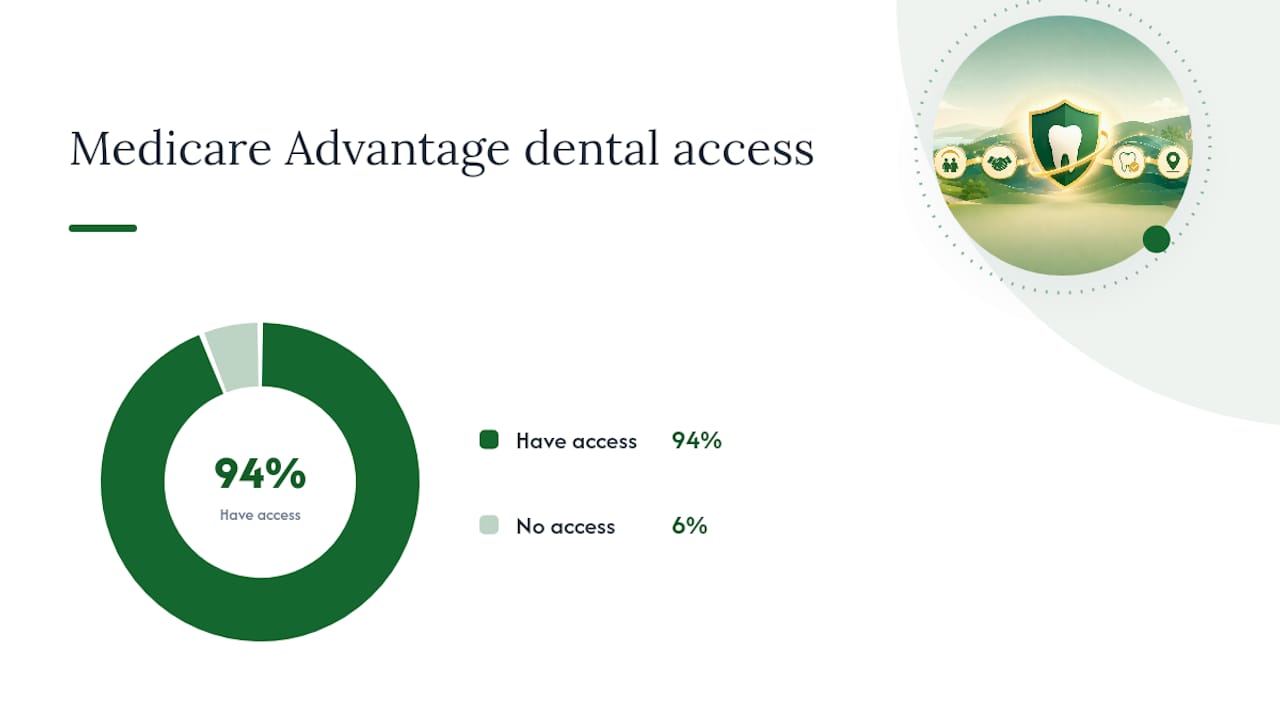
Medicare Advantage dental benefits have become the default fallback for people who want coverage Original Medicare won’t provide. KFF’s analysis found that 94% of Medicare Advantage enrollees in individual plans had access to some level of dental coverage. That sounds like a solid safety net, until you look at what “access” actually buys you.
Quick stat: Many Medicare Advantage dental benefits carry annual caps averaging around $1,000 to $1,300, with coinsurance often running near 50% once you move past basic cleanings into crowns, root canals, or dentures.
Most plans split benefits into two tiers:
- Preventive coverage, usually two cleanings and exams a year, often at no extra cost
- Comprehensive coverage, covering fillings, extractions, and major restorative work, but subject to coinsurance and that annual cap
Before you enroll, pull the plan’s Summary of Benefits and check three things: the dollar cap, whether your regular dentist is in-network, and whether there’s a waiting period before major services kick in. Some plans make you wait six to twelve months for anything beyond a cleaning, and a low premium often hides a low benefit ceiling.
What Other Dental Coverage Options Exist for Seniors?
If your Medicare Advantage plan’s dental benefit falls short, or you’re on Original Medicare with no supplement, a few paths are worth checking before you pay full price out of pocket.
- Medicaid, for dual-eligible beneficiaries, covers dental services in many states, though scope varies widely; check your state’s Medicaid dental page directly since benefits range from emergency extractions only to full restorative care.
- Standalone dental insurance plans sold outside Medicare typically carry waiting periods of six to twelve months for major work and annual maximums similar to what Medicare Advantage plans offer.
- Retiree or employer-sponsored plans sometimes carry over dental coverage into retirement. Check with your former employer’s benefits office before assuming you’ve lost it.
- Dental schools and community health centers often charge 30% to 50% less than private practices for cleanings, fillings, and dentures, since supervised students perform the work.
Compare the full annual cost, premium plus expected out-of-pocket, rather than just the sticker price of a plan.
How Do You Confirm and Enroll in Dental Coverage?
Checking your coverage before you sit in the dental chair saves you from a bill you didn’t see coming. Here’s the order to work through it:
- Pull your Evidence of Coverage (EOC) and Summary of Benefits if you’re on Medicare Advantage. The dental section spells out caps, coinsurance, and covered procedures.
- Call member services directly and ask specific questions: Is this procedure code covered? What’s my remaining annual cap? Is my dentist in-network this year?
- Use the annual election period (October 15 through December 7) to compare Medicare Advantage plans’ dental sections side by side if your current plan’s benefit feels thin.
- For medically linked dental care, get a written referral and ask your medical provider to document the connection to your Medicare-covered treatment before the dental work happens, not after.
Pro Tip: Call your Medicare Advantage plan’s member services line before scheduling any procedure beyond a cleaning. Ask them to quote your remaining annual dental benefit in dollars, not just tell you it’s “covered.” That number is what actually protects you from a surprise bill.
What Will Dental Care Actually Cost You Out of Pocket?
A basic cleaning under a Medicare Advantage preventive benefit might cost you nothing. A crown or partial denture is where the real math starts. Once your plan’s coinsurance kicks in at roughly 50% for major work, a $1,200 procedure can leave you owing $600, and that’s before you hit your annual cap.
- Facility fees and practitioner fees are often billed separately, even for the same visit.
- Once a Medicare Advantage dental cap is exhausted, you pay 100% of remaining costs for the rest of the plan year.
- Preventive care (cleanings, X-rays) usually costs little to nothing; restorative and surgical work almost always costs the most.
Ask for a written estimate before any procedure beyond a routine cleaning, and confirm which provider bills which portion.
How Do You Document Medically Necessary Dental Care?
Getting Medicare to pay for a medically linked dental service comes down to paperwork. CMS requires clinical documentation that ties the dental treatment directly to the success of the covered medical procedure, whether that’s a transplant, cardiac valve replacement, or cancer treatment.
- Keep copies of your referral, medical records, and the care plan linking the two treatments.
- Confirm your dentist is Medicare-enrolled and uses correct CPT/CDT billing codes.
- Request copies of all notes and referrals for your own records in case a claim needs an appeal.
- Expect the facility fee and the practitioner’s professional fee to sometimes arrive as separate bills, even when the procedure itself was approved.
How Green Insurance Agency Helps You Sort Out Dental Benefits
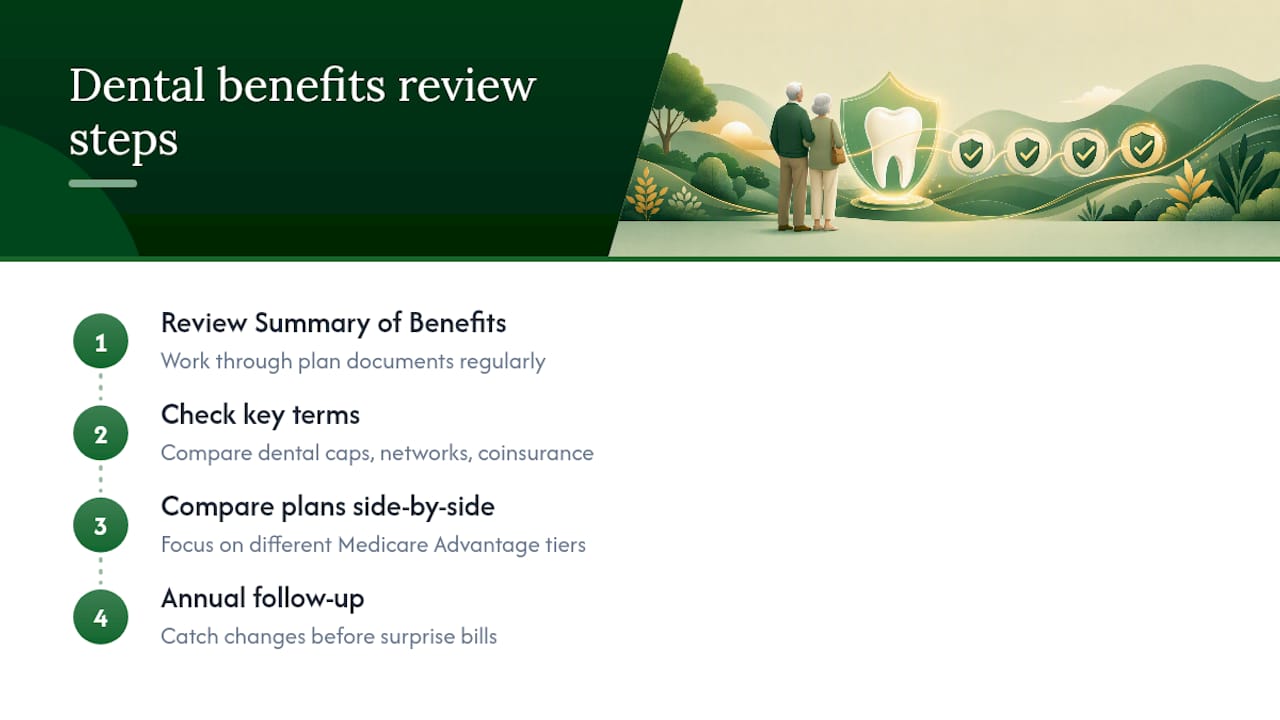
Reading a Medicare Advantage plan’s dental fine print is nobody’s idea of a good afternoon. Greenins works through Summary of Benefits documents with clients regularly, comparing dental caps, network dentists, and coinsurance terms side by side. That kind of review matters most for people juggling Medicaid alongside Medicare, or anyone weighing several Medicare Advantage plans with different dental tiers. An annual review catches changes before they turn into a bill you didn’t expect.
Get a Free Dental Benefits Review With Greenins
This agency is an alternative to guessing your way through a Summary of Benefits. Instead of calling three different plan hotlines yourself, one consultation with a qualified Medicare Insurance Planner walks through your actual dental benefit, in plain language, at no cost to you.

Bring your Medicare ID, any recent dental bills, and a copy of medical referrals if your case involves a linked dental procedure. This agency reviews your current Medicare Advantage or Supplement plan’s dental section, confirms your dentist is in-network, and helps you switch plans during your election period if the coverage doesn’t fit what you need. If you’re turning 65 or reevaluating coverage during the annual election period, schedule a consultation with Greenins to get your dental benefits checked before you need them, not after a bill arrives.
Where to Verify Medicare Dental Rules
- Medicare explains beneficiary-facing rules and covered exceptions.
- CMS’s dental coverage policy page details the regulatory basis and documentation requirements.
- Medicare Interactive offers plain-language guidance on billing and practitioner fees.
- KFF’s Medicare dental analysis covers Medicare Advantage benefit prevalence and cost-sharing data.
This article is general information, not a substitute for advice from a qualified doctor. Consult a qualified healthcare professional about your own circumstances before acting on anything here.
Sources
- Medicare
- Medicare dental coverage — CMS
- Medicare and dental coverage: a closer look — KFF
- Medicare and dental care — Medicare Interactive
FAQ
Will Medicare Pay Anything on Dental?
Only in narrow cases: dental services inextricably linked to another Medicare-covered treatment, like pre-transplant exams or head and neck cancer workups, or dental care during a covered inpatient hospital stay. Routine cleanings, fillings, and dentures are excluded.
What Is the Best Dental Coverage for Seniors on Medicare?
There’s no single best option; it depends on your dentist, budget, and whether you’re dual-eligible for Medicaid. A Medicare Advantage plan with strong dental benefits works for many, but comparing your Summary of Benefits against standalone dental insurance each year, ideally with help from an agency like Greenins, is the most reliable way to find the right fit.
Does the USA Have Free Dental Care?
Not universally. Community health centers, dental schools, and some state Medicaid programs offer free or reduced-cost dental care for qualifying low-income seniors, but there’s no nationwide free dental program tied to Medicare.
Why Do Oral Surgeons Not Accept Medicare?
Many oral surgeons don’t accept Medicare because most dental procedures fall outside Medicare’s coverage rules entirely, so there’s no billing pathway for routine extractions or implants. Surgeons who do accept Medicare typically bill it only for the narrow, medically linked exceptions CMS defines.
Does Medicare Cover Dental Implants?
Original Medicare does not cover dental implants under any routine circumstance. Some Medicare Advantage plans include partial implant coverage as a supplemental benefit, but expect significant coinsurance and an annual cap that a single implant can quickly exceed.